


Het Limbisch Systeem, emoties en geheugen.
- ftrjjanssen
- 1 dag geleden
- 3 minuten om te lezen
Het limbisch systeem speelt een cruciale rol in hoe we emoties ervaren en herinneringen vormen. Het fungeert als een brug tussen onze gedachten en gevoelens en beïnvloedt ons gedrag en onze besluitvorming. Inzicht in dit deel van de hersenen helpt verklaren waarom bepaalde ervaringen een blijvende indruk achterlaten en hoe emoties ons dagelijks leven vormgeven.
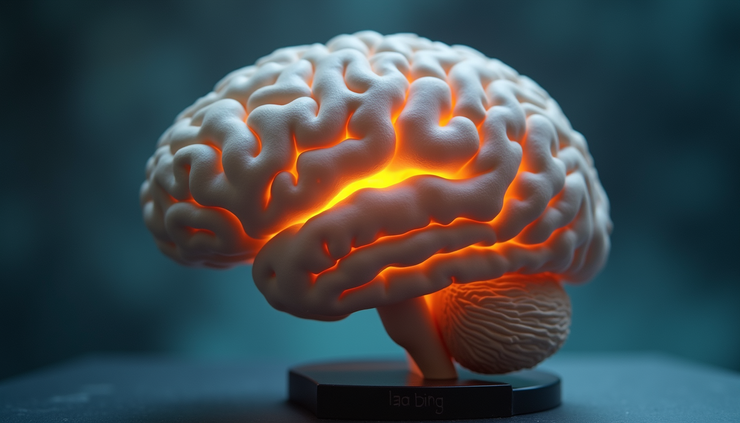
Wat is het Limbisch systeem?
The limbic system is a group of interconnected structures deep within the brain. It includes the hippocampus, amygdala, hypothalamus, and parts of the thalamus and cerebral cortex. These areas work together to regulate emotions, memory, motivation, and some aspects of behavior.
Hippocampus: Essential for forming new memories and connecting them to emotions.
Amygdala: Processes emotions like fear, pleasure, and anger.
Hypothalamus: Controls bodily functions related to emotions, such as heart rate and hormone release.
This system is sometimes called the "emotional brain" because it manages how we respond emotionally to different situations.
Hoe het Limbisch systeem onze emoties beinvloed.
Emotions are not just feelings; they trigger physical responses and guide our actions. The limbic system helps interpret emotional stimuli and decide how to react. For example:
When you see something threatening, the amygdala activates quickly, preparing your body to respond with fight or flight.
Positive experiences, like enjoying a meal or social interaction, stimulate the release of dopamine, creating feelings of pleasure and reward.
This system also helps regulate mood and emotional memory, which means it plays a part in conditions like anxiety and depression.
Geheugenvorming en de rol van het limbisch systeem
Memory is more than storing facts. The limbic system connects memories with emotions, making some experiences more vivid and easier to recall. The hippocampus is key here:
It helps convert short-term memories into long-term ones.
Emotional events tend to be remembered better because the amygdala signals the hippocampus to strengthen those memories.
For example, a joyful event like a wedding or a stressful moment like an accident often stays in memory longer and with more detail than neutral events.
Praktische voorbeelden van functies van het limbisch systeem
Understanding the limbic system can explain everyday experiences:
Emotional Triggers: A certain smell or song might bring back strong memories because the limbic system links sensory input with emotional memories.
Stress Responses: When stressed, the hypothalamus activates the body's stress response, increasing heart rate and releasing cortisol.
Learning and Motivation: Positive reinforcement activates the limbic system, encouraging behaviors that bring rewards.
These examples show how the limbic system shapes not only what we remember but also how we feel and act.
Hoe schade aan het limbisch systeem mensen beinvloedt
Injuries or diseases affecting the limbic system can cause noticeable changes:
Damage to the hippocampus may lead to difficulty forming new memories.
Problems with the amygdala can alter emotional responses, sometimes causing excessive fear or lack of emotional recognition.
Disorders like Alzheimer's disease often involve limbic system deterioration, leading to memory loss and emotional instability.
These effects highlight the system’s importance in maintaining mental health and cognitive function.
Ondersteuning van een gezond limbisch systeem
Keeping the limbic system healthy supports emotional balance and memory. Some ways to do this include:
Regular Exercise: Physical activity promotes brain health and reduces stress.
Adequate Sleep: Sleep helps consolidate memories and regulate emotions.
Mindfulness and Meditation: These practices can calm the amygdala and improve emotional regulation.
Balanced Diet: Nutrients like omega-3 fatty acids support brain function.
By caring for the brain, we support the limbic system’s vital roles.


Opmerkingen